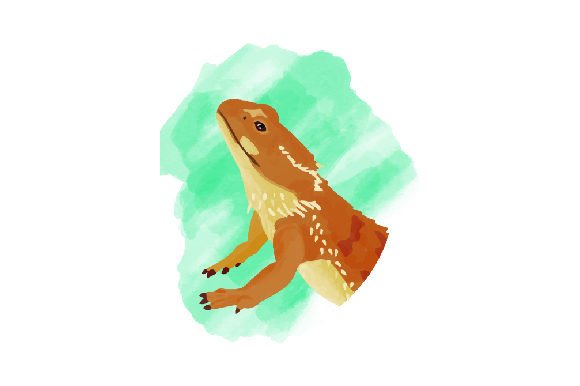
Bearded Dragon Watercolor for Animals Branding
First Impressions: Assessing Texture and Organic Appeal
When evaluating a new graphic design asset for a client project, my first step is always to gauge the emotional resonance and technical integrity of the file. Upon opening the Bearded Dragon - Watercolor illustration, the immediate impression is one of softness and organic authenticity. Unlike rigid vector art or hyper-realistic photography, this watercolor style introduces a tactile quality that feels inherently handmade. For a recent project involving a boutique reptile supply brand, this specific aesthetic was crucial. The client needed to pivot away from clinical, sterile pet store imagery toward a warmer, more nurturing brand identity. This asset successfully bridges that gap, offering a stylized yet recognizable representation that appeals to modern pet owners who view their reptiles as beloved family members rather than just exotic specimens.
The color bleeding and brushstroke edges inherent in this digital product suggest movement and life, which is often difficult to capture in static Animals illustrations. From a professional standpoint, the texture suggests high-resolution scanning, which is vital for commercial design work. Low-quality clipart often suffers from pixelation when scaled, but this piece maintains its painterly integrity. This makes it an excellent candidate for projects where visual trust and artisanal quality are paramount, such as handmade business packaging or premium Etsy product listings.
Application in Brand Identity and Packaging Design
In a real-world scenario, I utilized this Bearded Dragon - Watercolor asset as the anchor element for a product label redesign. Watercolor illustrations perform exceptionally well in packaging design because they soften the commercial nature of the product. When placed on a matte paper stock mockup, the translucent layers of the paint created a sense of depth that flat colors simply cannot achieve. For small business branding, this adds perceived value; customers associate detailed artistic rendering with higher quality care and ingredients.
However, integrating this illustration into a logo design requires caution. While beautiful, watercolor textures can lose definition when reduced to favicon sizes or embroidered onto apparel. I found this asset works best as a secondary brand mark or a supporting visual element rather than a primary logotype. It shines in marketing visuals like hang tags, thank-you cards, and unboxing experience materials. For a print-on-demand seller, this asset translates beautifully to tote bags and ceramic mugs, where the irregular edges of the watercolor mimic actual screen printing or sublimation transfer effects, enhancing the vintage or artisanal vibe of the merchandise.
Digital Performance Across Social Media and Web Platforms
Digital versatility is non-negotiable for modern design assets. When testing this PNG design across various digital touchpoints, the transparency channel proved clean and precise, allowing for seamless layering over colored backgrounds in Canva templates and social media graphics. For an Instagram campaign promoting a new line of reptile hides, the soft edges of the bearded dragon allowed text overlays to sit comfortably without harsh visual conflict. This is critical for maintaining visual hierarchy; the eye is drawn to the subject but not distracted by jagged cutout lines.
For web design and blog headers, this creative design element adds personality to otherwise text-heavy layouts. In editorial design contexts, such as an educational article about reptile husbandry, the watercolor style feels approachable and less intimidating than scientific diagrams. Content creators and bloggers will find this asset particularly useful for Pinterest pins, where warm, artistic aesthetics tend to drive higher engagement rates. The organic feel aligns perfectly with current trends in modern design that favor sustainability, nature, and mindfulness, making it a strategic choice for brands wanting to tap into those cultural conversations.
Crafting and Print Production Considerations
For the maker community, including Cricut users and sticker designers, technical specifications matter as much as aesthetics. If utilizing this as an SVG design for cutting machines, one must verify if the file has been properly traced. Complex watercolor gradients can sometimes result in thousands of tiny cut paths, which frustrates the plotting process. For sticker design, I recommend using the PNG version with a white offset border to preserve the delicate watercolor edges during the die-cutting process. This ensures the final physical product retains the charm of the original clipart.
Regarding sublimation design, color accuracy is key. Watercolors rely on subtle tonal shifts. Before committing to a large production run for t-shirts or tumblers, always print a test swatch. Some printers struggle with the lightest washes of color, turning them into banding artifacts. This printable design asset appears robust enough for high-DPI printing, but verifying color profiles (CMYK vs. RGB) is essential for professional results. For Cricut project enthusiasts creating layered paper crafts, this image serves as a perfect centerpiece, though pairing it with solid cardstock elements will help ground the ethereal watercolor texture.
Strategic Limitations and Visual Hierarchy
No single design bundle or asset is universally applicable. There are specific scenarios where Bearded Dragon - Watercolor should be used with extreme care. Avoid placing this detailed illustration against busy, patterned backgrounds; the lack of hard outlines means it will visually vibrate and disappear, destroying readability. Similarly, for corporate veterinary clinics or scientific publications requiring clinical precision, this whimsical style may undermine the desired tone of authority and sterility. It is strictly a lifestyle and consumer-facing asset.
Furthermore, consider the negative space. Watercolor spreads organically, so ensure your layout accommodates irregular boundaries. Do not force this asset into rigid geometric containers unless you intend to mask it heavily, which defeats the purpose of choosing a watercolor medium. In minimalist branding projects, use this as a singular focal point rather than repeating it as a pattern, as the complexity can quickly overwhelm a clean aesthetic. Always prioritize legibility; if the watercolor texture competes with body copy, reduce the opacity or increase the contrast between the text and the background.
Professional Designer Checklist for Commercial Use
Before deploying this asset in any paid client work or commercial product line, run through this practical validation list to ensure professional standards:
- Verify Licensing: Confirm the commercial license covers your specific end-use, especially for print-on-demand or digital resale.
- Contrast Testing: View the asset in grayscale to ensure the bearded dragon remains distinct from the background without relying solely on color.
- Typography Pairing: Test alongside serif fonts for a classic look, sans-serif for modern contrast, and handwritten scripts for a cohesive organic feel. Avoid overly decorative display fonts that compete with the brushwork.
- Scale Stress Test: Zoom out to 10% size to check if details turn to mud, and zoom in to 200% to inspect edge quality and resolution.
- Mockup Validation: Never approve a design based on a flat screen preview. Place the asset on realistic product mockups to see how lighting and texture interact.
- File Integrity: Inspect the PNG transparency for stray pixels or halos that could ruin dark-mode social media posts.
Ultimately, Bearded Dragon - Watercolor is a versatile and emotionally resonant tool for the right brief. It excels in transforming generic reptile content into something bespoke and memorable. Whether you are building a creative marketplace listing, designing a seasonal campaign, or crafting a unique brand identity for a niche business, this asset offers the artistic nuance required to stand out in a saturated market. By respecting its organic nature and adhering to professional production standards, designers can leverage this illustration to create work that feels both polished and profoundly human.