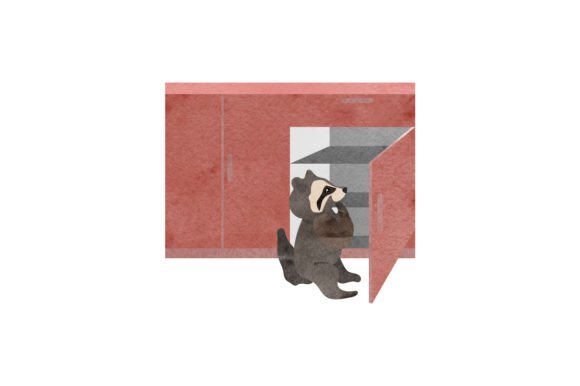
Raccoon Sniffing Cabinets in Kitchen - Watercolor
First Impressions: Quirky, Playful, and Perfectly Kitchen-Centric
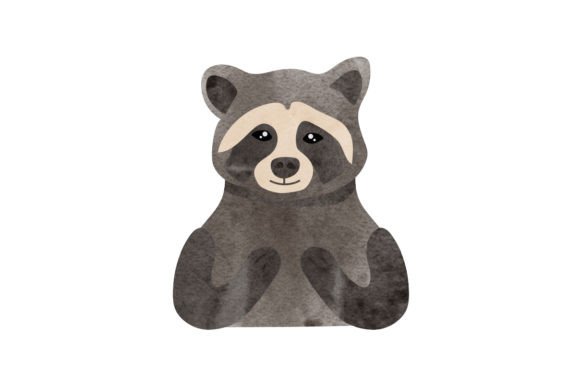
When I first opened the Raccoon Sniffing Cabinets in Kitchen - Watercolor design file, I immediately thought of a boutique kitchen towel collection or a line of embroidered aprons with character. The watercolor style gives it a soft, artistic edge that feels hand-painted but still clean enough for machine embroidery. The raccoon is mid-action, sniffing a cabinet with curiosity, which adds a narrative element that’s rare in animal embroidery designs.
The layout is balanced, with the raccoon placed slightly off-center, allowing for flexibility in placement on different products. The detail level is moderate—enough to capture charm and expression without overwhelming the stitch count. This makes it a solid option for small business owners looking to add personality to their handmade items without sacrificing stitch quality or clarity.
Real-Life Embroidery Use: From Tote Bags to Baby Onesies
I tested this design on a few different materials to see how it would hold up in actual use. Starting with a cotton tote bag, the watercolor effect translated surprisingly well. The subtle shading and soft outlines gave the raccoon a whimsical, storybook feel that would appeal to Etsy shoppers looking for something unique. On a heavier fabric like a canvas apron, the design maintained its clarity, and the satin and fill stitches blended naturally with the watercolor illusion.
For a baby embroidery project, I stitched it onto a onesie. The size worked well for the chest area, and the playful nature of the raccoon made it a hit with parents who want something fun but not overly busy. The key here was stabilizing the stretchy knit properly—this design has enough detail that it could pucker on unstable fabric if not handled right.
Where This Design Shines: Gift Items, Apparel, and Decor
Raccoon Sniffing Cabinets in Kitchen - Watercolor really comes alive on products that benefit from a touch of personality. I used it on a set of linen kitchen towels for a holiday gift line, and the soft color palette complemented the natural fabric beautifully. It also worked well on a sweatshirt mockup, where the raccoon’s expression added a lighthearted element to an otherwise casual garment.
- Custom apparel – great for kids’ sweatshirts or casual hoodies
- Personalized gifts – perfect for embroidered pillow covers or tea towels
- Boutique branding – ideal for small shop packaging or branded aprons
- Craft fair products – eye-catching on tote bags and patches
As a digital embroidery file, this design offers strong visual appeal and good stitch efficiency, which is important for crafters who need to produce consistently high-quality items quickly.
Where to Use It Carefully: Fabric, Size, and Detail Considerations
While the design is versatile, it does have some limitations. The raccoon’s eyes and facial details are fairly small, so it doesn’t scale well below a 3-inch hoop. If you’re planning to use it on a cap or curved surface, you’ll need to test the design on a mockup first to ensure those finer details don’t get distorted.
On dark fabrics, the watercolor effect can get lost unless you use contrasting thread colors. I recommend checking the thread color suggestions or even doing a black and white preview to see how the grayscale version holds up. Dense stitch areas like the raccoon’s fur texture can cause issues on stretchy or thin materials, so proper stabilizer use is a must.
Visual Impact and Customer Appeal
This design has strong giftability and brand consistency potential. The playful tone makes it ideal for small shops selling whimsical or nature-inspired items. When I used it on a set of embroidered patches for a local boutique, customers responded positively to the charm and originality of the design.
From a professional standpoint, the clarity of the satin and fill stitches gives a polished finish that elevates handmade presentation. It also helps that the design doesn’t feel too busy—this makes it easier to incorporate into a cohesive product line without clashing with other elements.
Practical Notes for Embroidery Designers
If you’re planning to use Raccoon Sniffing Cabinets in Kitchen - Watercolor in your embroidery projects, here are a few practical tips I picked up during testing:
- Test on scrap fabric first—especially if you’re using a textured or stretchy material.
- Check thread color contrast to ensure the watercolor look translates well on your chosen background.
- Review stitch density—this design has some denser areas that might need thinning for certain fabrics.
- Confirm hoop size compatibility, especially for small-batch production.
- Inspect small details like the raccoon’s eyes and whiskers to make sure they stitch clearly.
- Test in black and white mockups to see how it performs without color.
- Compare light and dark fabric backgrounds to ensure versatility.
- Use proper stabilizer to prevent distortion on stretchy or thin materials.
- Check licensing terms before using in commercial embroidery or digital product sales.
As with any digital embroidery file, it’s important to verify machine compatibility and file formats before starting a project. If these details aren’t provided by the seller, reach out for clarification to avoid last-minute issues.
Final Thoughts: A Versatile Design with Character
Overall, Raccoon Sniffing Cabinets in Kitchen - Watercolor is a standout design that brings both charm and practicality to the table. Whether you're an Etsy seller building a themed collection or a craft business owner looking for a design that tells a story, this one fits the bill. It’s got the visual appeal to draw in buyers and the technical balance to stitch out cleanly with the right preparation.
For creative entrepreneurs and embroidery designers, this type of design adds value to finished products and helps establish a recognizable brand voice. Just be mindful of the fabric, hoop size, and stabilizer needs, and you’ll be set for a successful embroidery run.