Blue Flowers Watercolor PNG Clipart Illustrations
Evaluating Visual Tone for Organic Brand Identity Projects
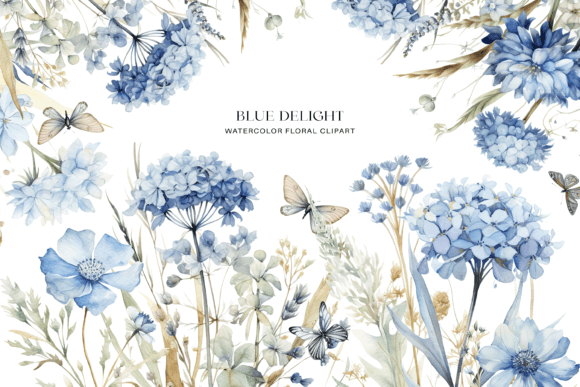
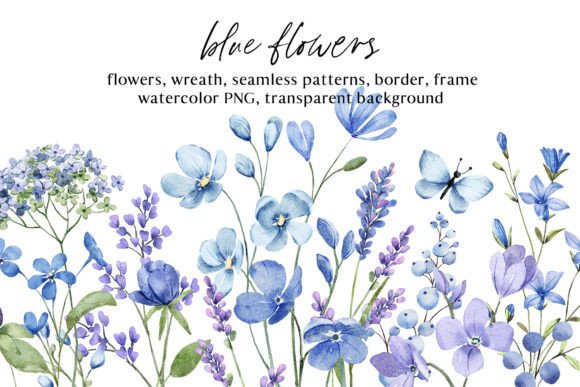
When assessing a new graphic design asset for a client rebrand, my first step is always to gauge the emotional resonance before checking technical specs. Reviewing this Blue Flowers Watercolor PNG Clipart, the immediate impression is one of serene sophistication mixed with organic warmth. Unlike high-saturation digital florals that can feel artificial, these illustrations possess a translucent quality that mimics traditional pigment on cold-press paper. For a recent project involving a boutique skincare line focused on calming botanicals, this specific aesthetic was crucial. The muted indigo and cerulean tones suggest tranquility and trust, making it an ideal candidate for brands targeting wellness, self-care, or artisanal markets. As a designer, I look for assets that do more than fill space; I need elements that establish a mood instantly. This collection succeeds in creating a soft, handcrafted narrative that aligns perfectly with modern small business branding seeking authenticity over corporate polish.
Performance Across Packaging Design and Product Labels
In practical application, the true test of any PNG design is how it handles production constraints. I integrated these blue floral elements into a series of product labels and box packaging for a handmade candle brand. The transparency was clean, with no jagged edges or unwanted white halos, which is often a failure point in lower-quality clipart. When placed against uncoated kraft paper and matte white labels, the watercolor texture retained its depth without becoming muddy during print. This makes the asset exceptionally strong for packaging design where tactile feel matters. However, designers must be mindful of color management. Because watercolors rely on subtle gradients, I recommend converting files to CMYK and performing a test print before finalizing bulk orders. For print-on-demand sellers using services like Printful or Gooten, these flowers provide excellent coverage for all-over print tote bags and mugs, as the organic edges blend naturally into fabric textures rather than looking like a stamped decal.
Digital Versatility in Social Media Graphics and Web Layouts
Beyond physical products, this digital product shines in web and social environments. While designing Instagram templates and Pinterest pins for a wedding stationery client, I found the blue florals acted as perfect visual anchors. They frame text beautifully without competing for attention, supporting a clear visual hierarchy. In web design, specifically for hero sections or blog headers, the illustrations add necessary negative space and movement. For users creating Canva template packs to sell on Etsy, these assets are valuable because they offer a cohesive theme that appeals to DIY brides and event planners. The softness of the watercolor style balances well with modern sans-serif typography, preventing layouts from feeling too rigid. However, when using these for marketing visuals or paid ads, ensure the background contrast is sufficient. The lighter washes of blue can disappear against white backgrounds on mobile screens, so pairing them with darker text or colored blocks is essential for maintaining readability and engagement.
Navigating Craft Applications: Cricut Projects and Sublimation Design
For the maker community and Etsy product sellers, technical compatibility is non-negotiable. I tested this Blue Flowers Watercolor PNG Clipart specifically for sublimation design and sticker creation. The resolution holds up remarkably well at 300 DPI, allowing for crisp details on vinyl stickers and tumbler wraps. For Cricut project users, it is important to note that while these are raster images, they can be used effectively with the "Print then Cut" feature. They are less suitable for pure vinyl cutting due to the intricate internal details of the watercolor brushstrokes, unless you are tracing simplified silhouettes. If your workflow requires scalable vectors for large-format signage, you may need to use image trace tools to convert these design assets into SVG format, though some texture fidelity will be lost. For direct sublimation onto polyester fabrics or coated ceramics, however, the native PNG format delivers vibrant, professional results that satisfy customers expecting high-end handmade business quality.
Strategic Placement: Where These Illustrations Thrive
Understanding where to deploy a creative design element is just as important as the element itself. These blue flowers perform best as primary decorative accents in medium-to-large scale applications. They are stunning as corner flourishes on wedding invitations, central motifs on book covers, or repeating patterns for textile commercial design. In editorial layouts, they serve as excellent section dividers that maintain flow without breaking the reading experience. For brand identity work, they function well as secondary brand marks or watermark overlays that reinforce the organic nature of a business. I have also seen success using them in product mockup presentations to add context and lifestyle appeal, helping potential buyers visualize the final item in a real-world setting. The key is to let the watercolor breathe; overcrowding these delicate illustrations diminishes their impact and creates visual noise.
Design Caution: Managing Hierarchy and Minimalist Constraints
Despite their beauty, there are scenarios where restraint is required. In highly minimalist or corporate tech branding, the romantic nature of these illustrations may clash with the desired message of precision and innovation. Similarly, in small-scale applications like business cards or app icons, the fine details of the watercolor can become illegible blobs. Designers should avoid placing these assets directly behind body text, as the varying opacity interferes with accessibility and reading comfort. When working on logo design, use these flowers as supporting iconography rather than the logomark itself, unless the brand is explicitly floral-themed. Watercolors are inherently inconsistent, which is their charm, but this can pose challenges for strict brand consistency guidelines. Always establish clear usage rules in your brand board to ensure the clipart supports rather than distracts from the core message. Additionally, verify the commercial license terms before incorporating them into client deliverables or resale items to avoid legal complications.
Essential Pre-Flight Checks for Professional Designers
Before committing this Blue Flowers Watercolor PNG Clipart to a final deliverable, run through a rigorous quality assurance checklist. First, test the asset in grayscale to ensure the values hold up without color reliance; this confirms the illustration has structural integrity. Check the file metadata and licensing agreement to confirm permissions for print-on-demand or digital resale if applicable. Preview the design at both 10% and 200% zoom to identify any pixelation or artifacts that might ruin a large-format print. Pair the florals with various typefaces—serif for tradition, script for elegance, and bold sans-serif for modern contrast—to determine the best typographic partner. Finally, always place the asset on a real-world mockup rather than judging it in isolation. A flower that looks perfect on a transparent canvas might look washed out on cream paper or too dark on a navy website header. By treating this design bundle with professional scrutiny, you transform a simple decorative element into a powerful tool for elevating client projects and ensuring commercial viability.