Hydrangea Florals Watercolor Clipart Review
First Impressions: Soft Aesthetics Meet Stitch Reality
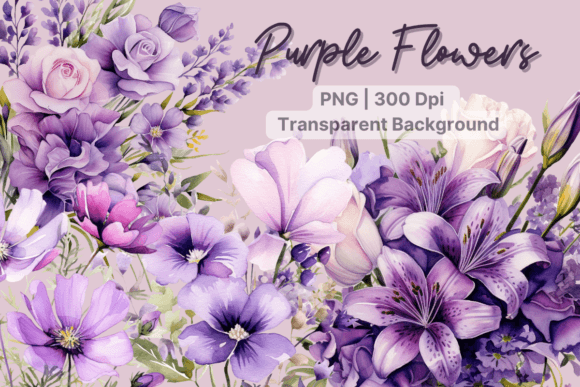
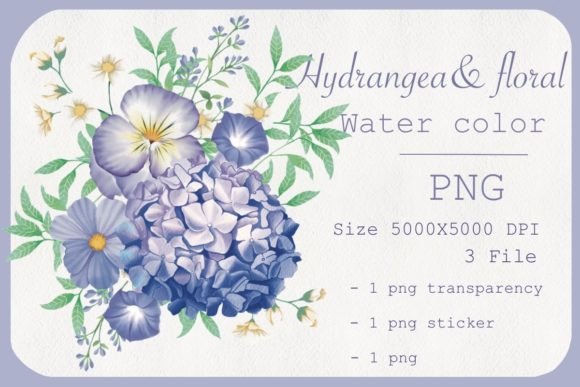
When I first opened the Hydrangea Florals Watercolor Clipart files, my immediate reaction was appreciation for the organic flow and gentle color gradients. As a designer who frequently bridges the gap between digital graphics and tangible textiles, I look for artwork that translates emotion into thread. These graphic templates possess a romantic, vintage-inspired mood that feels perfect for spring collections, nursery decor, and wedding merchandise. The watercolor style suggests softness, but as any experienced embroiderer knows, softness in pixels does not always equal softness in stitches.
The visual personality of this collection is undeniably feminine and delicate. The hydrangea clusters are full without being heavy, and the leaf details provide necessary contrast. However, before loading this machine embroidery design into my machine, I had to evaluate how these painted edges would interpret into satin stitches or fill patterns. Watercolor clipart often relies on transparency and blending, which requires careful digitizing consideration to avoid a stiff, bulletproof patch of thread. My initial assessment is that this artwork is best suited for projects where the fabric texture can still breathe through the design, rather than completely covering the material.
Real-World Application: Designing a Custom Linen Tote
To truly test the viability of Hydrangea Florals Watercolor Clipart, I decided to apply it to a real client project: a set of personalized linen tote bags for a boutique florist’s bridal workshop. This scenario demanded a balance of elegance and durability. Linen has a distinct weave, and the goal was to make the embroidery feel like it was part of the bag, not just stuck on top.
I selected a mid-sized arrangement from the clipart set for the center panel. Because watercolor art lacks hard outlines, I opted for a digitizing approach that utilized running stitches for fine details and light fill stitches for the petal shading, reserving satin stitches only for the stems and outer accents. The result was a tote bag design that retained the airy quality of the original graphic template. During production, I noticed that the design’s natural asymmetry worked beautifully with the linen’s slubs, creating a high-end handmade product aesthetic. For Etsy sellers or small shop owners, this specific application demonstrates how digital assets can elevate physical inventory when the stitch type matches the artistic intent.
Best Use Cases for Apparel and Home Decor
Beyond tote bags, this collection shows immense promise across several categories. Based on my review, Hydrangea Florals Watercolor Clipart performs exceptionally well in the following areas:
- Sweatshirt Embroidery: Placed on the left chest or cuff, the floral motif adds a trendy, cottage-core vibe to heavyweight fleece. The key here is using a cutaway stabilizer to prevent puckering on knit fabrics.
- Baby Embroidery: The soft colors and non-aggressive shapes make this ideal for onesies and bibs. However, ensure the back of the embroidery is covered or smooth to protect sensitive skin.
- Pillow Covers and Tea Towels: These flat, stable fabrics are the safest canvas for watercolor-style digitizing. The design allows for larger hoop sizes where the gradient effects can really shine.
- Holiday Embroidery: While hydrangeas are seasonal, the color palette in these graphic templates can easily be shifted to dusty blues or mauves for winter weddings or Mother’s Day gifts.
For commercial embroidery businesses, this versatility means one asset pack can generate multiple revenue streams throughout the year. The design assets are distinct enough to stand out in a crowded marketplace but classic enough to remain relevant beyond passing trends.
Navigating Technical Limitations and Fabric Choices
While the aesthetic value is high, practical caution is required. Watercolor clipart converted to embroidery is unforgiving on certain substrates. I would advise against using intricate versions of this design on highly textured terry cloth or thick corduroy; the subtle color transitions will get lost in the pile. Similarly, stretchy performance fabrics pose a risk. Unless you are using an extremely stable backing and minimal stitch density, the registration of the watercolor layers may shift, resulting in a muddy appearance rather than a crisp floral.
Dark fabrics also present a challenge. Watercolor designs typically rely on the white of the background (or the fabric itself) to create highlights. If stitching on navy or black garments, you must account for underlay or white base layers, which significantly increases stitch count and stiffness. For custom apparel on dark garments, consider using this design as an applique design instead, placing the printed fabric or felt underneath the stitches to preserve the watercolor effect without excessive thread usage.
Small hoop sizes require editing. Do not simply shrink a complex hydrangea cluster to fit a 4x4 hoop. The internal details will merge, and the machine may struggle with jumps. Always simplify the design elements specifically for smaller formats to maintain clarity.
Impact on Perceived Value and Brand Trust
In the handmade market, customers equate visual refinement with quality. A poorly executed watercolor embroidery looks messy and cheapens the brand. Conversely, when Hydrangea Florals Watercolor Clipart is digitized and stitched correctly, it signals professionalism. The softness implies skill because it is harder to achieve than bold, solid logos.
For digital product sellers offering the embroidery file itself, presentation is everything. Using printable mockups that accurately reflect how the watercolor translates to thread builds buyer confidence. When I reviewed this collection, I found that testing the design in black and white mockups helped identify contrast issues before committing thread to fabric. This step is crucial for maintaining brand consistency and ensuring that the finished product matches the customer's expectation set by the listing photos.
Essential Designer Notes Before You Stitch
If you plan to incorporate these graphic templates into your workflow, treat them as a starting point rather than a final destination. Here are my non-negotiable checks for this specific collection:
- Test on Scrap Fabric First: Never run a new watercolor conversion directly on a client’s garment. The interaction between thread sheen and fabric texture varies wildly.
- Verify Licensing: Confirm whether the license covers finished physical products, digital embroidery files, or both. Terms vary, and protecting your business starts with compliance.
- Check Thread Color Contrast: Watercolor relies on nuance. Ensure your thread palette has enough variation to capture the shading, or the design will look flat.
- Review Stabilizer Pairings: Match the stabilizer weight to the design density, not just the fabric. Light fills on linen need different support than satin borders on denim.
- Inspect Small Details: Zoom in at 100% in your software. If petals are merging or text is illegible below 6mm, edit before stitching.
Ultimately, Hydrangea Florals Watercolor Clipart is a beautiful resource for makers who understand the translation process from screen to stitch. It offers a pathway to creating sophisticated, emotionally resonant items that customers cherish. By respecting the technical boundaries of the medium while embracing the artistic freedom of the graphic template, you can turn these digital flowers into lasting, tangible beauty for your shop or personal projects.