Watercolor Mushroom Vectors for Print Templates
Evaluating Organic Aesthetics for Boutique Branding Projects
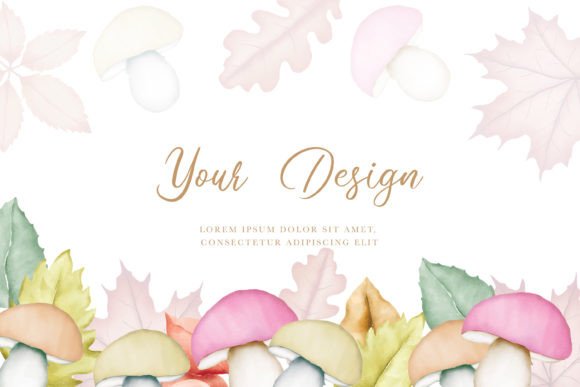
When reviewing a new graphic design asset for an upcoming client project, my primary concern is always versatility and technical integrity. Recently, I evaluated a collection of Watercolor Mushroom Vectors for a rebranding project involving a sustainable skincare line and an accompanying Etsy shop launch. The initial impression was immediately positive; the assets possess a softness and organic texture that rasterized images often lack. Unlike flat vector art, these illustrations retain the delicate bleeding edges and pigment variation characteristic of traditional watercolor media. For a handmade business or a brand rooted in nature, this specific visual texture communicates authenticity faster than any serif font could achieve alone. The mood is distinctly earthy yet refined, avoiding the juvenile aesthetic that some botanical clipart suffers from. This maturity makes the asset suitable for commercial design applications where professionalism must coexist with whimsy.
Performance Across Packaging and Digital Touchpoints
In practical application, Watercolor Mushroom Vectors demonstrated remarkable adaptability across various media. For the skincare client, we utilized the larger mushroom clusters as hero graphics on packaging design labels. Because the vectors maintain crisp edges at high resolution, they printed beautifully on textured uncoated stock without losing detail. The translucency of the watercolor effect allowed the background paper color to influence the final print result, adding a layer of tactile depth to the physical product. In the digital realm, these assets performed equally well within social media graphics. When creating Instagram carousel templates and Pinterest pins, the organic shapes provided necessary negative space for typography. This is crucial for marketing visuals where readability cannot be sacrificed for decoration. The assets also translated seamlessly into Canva template elements, allowing the client’s internal team to create cohesive content long after our contract ended.
Strategic Placement in Editorial and Merchandise Design
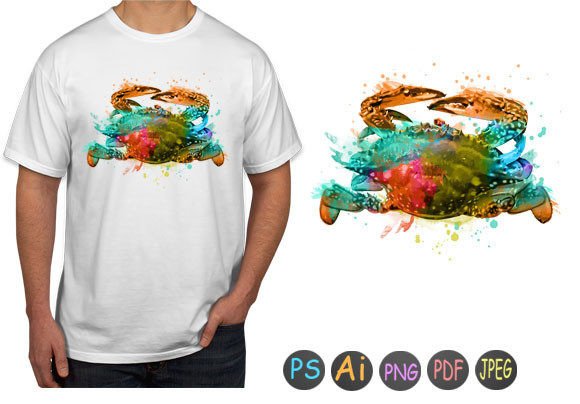
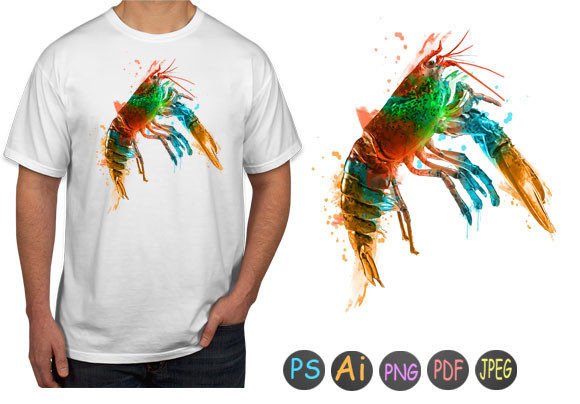
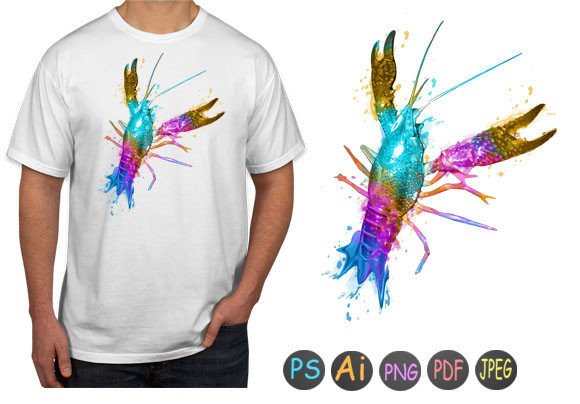
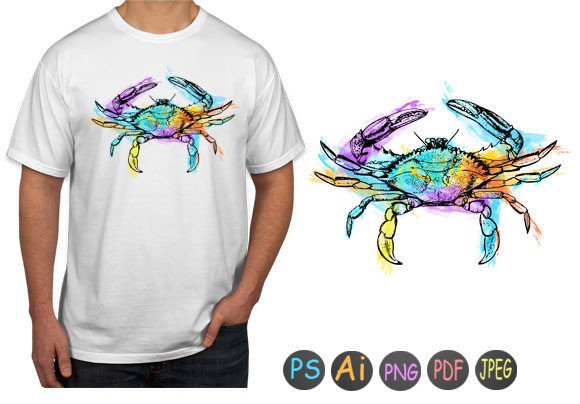
Beyond packaging, this design bundle proved valuable for secondary revenue streams. We adapted individual mushroom specimens for sticker design and t-shirt design intended for print-on-demand fulfillment. Here, the isolation of each element on a transparent background was vital. For Cricut project users or those utilizing cutting machines, clean vector paths are non-negotiable. These Watercolor Mushroom Vectors offered simplified cut lines alongside detailed print layers, making them ideal for "print then cut" workflows. In editorial design contexts, such as blog headers or digital zines, the illustrations served as effective section dividers. They added visual rhythm to text-heavy layouts without overwhelming the reader. For creators selling digital product downloads or printable design wall art, the composition of these clusters allows for easy rearrangement, enabling buyers to customize their own layouts while maintaining the original artistic integrity.
Navigating Visual Hierarchy and Layout Constraints
While versatile, Watercolor Mushroom Vectors require thoughtful placement to maintain effective visual hierarchy. These assets excel in large layout areas, serving as focal points or framing devices. They are particularly strong in product mockup presentations, where they can soften the sterile look of blank packaging templates. However, designers must exercise caution when scaling these elements down. Due to the inherent softness of the watercolor style, intricate details can muddy at very small sizes, such as on business cards or favicon-sized web icons. In minimalist brand identity systems, overusing these textures can clutter the design. I recommend treating them as accent pieces rather than foundational structural elements. Furthermore, avoid placing these illustrations against busy photographic backgrounds or complex patterns. The subtle color gradients of the mushrooms need breathing room to register correctly with the viewer. High-contrast environments or solid muted tones provide the best canvas for this type of illustration.
Impact on Brand Perception and Emotional Connection
The choice of imagery directly influences consumer trust and emotional engagement. Watercolor Mushroom Vectors bridge the gap between scientific botanical accuracy and artistic interpretation. This duality supports brands that want to appear knowledgeable yet approachable. In small business branding, this emotional resonance is often the differentiator against mass-market competitors. The hand-painted quality suggests care and intention, attributes that transfer to the perceived value of the product itself. However, consistency is key. Mixing these organic vectors with harsh, geometric corporate graphics can create cognitive dissonance. Ensure that the rest of your creative design system—from color palette to photography style—aligns with the gentle, natural ethos these mushrooms project. When used cohesively, they elevate the entire modern design scheme from generic to bespoke.
Essential Technical Checks Before Commercial Deployment
Before integrating any SVG design or PNG design into a paid client deliverable, rigorous testing is mandatory. My pre-flight checklist for Watercolor Mushroom Vectors includes several critical steps:
- Contrast Verification: Always test the assets in grayscale. If the mushrooms disappear against the background in black and white, they will fail in low-visibility situations or accessibility compliance.
- Typography Pairing: Test the vectors against your chosen typeface. Serif fonts generally complement the traditional feel of watercolor, while clean sans-serifs offer a modern contrast. Avoid overly distressed handwritten fonts that compete with the brushwork texture.
- File Integrity: Inspect PNG transparency masks closely. Jagged edges or white halos around the artwork indicate poor extraction and will ruin professional sublimation design prints.
- Vector Editability: If using SVG files, open them in Illustrator or Affinity Designer. Ensure the paths are not merely embedded raster images. True vector editability allows you to adjust colors to match specific brand Pantones.
- Print Testing: Never assume screen accuracy equals print accuracy. Run a test print at actual size to verify color saturation and edge definition, especially for commercial license merchandise.
- Licensing Review: Confirm the specific terms of use. Some creative marketplace assets restrict usage in POD products or require attribution. Protect your client by verifying rights before launch.
Final Assessment for Professional Designers
Watercolor Mushroom Vectors represent a high-value addition to a designer’s toolkit, specifically for projects requiring organic warmth and artisanal credibility. They function exceptionally well as Print Templates foundations, offering a ready-made aesthetic that saves hours of custom illustration time. Whether you are designing for a local farmers market vendor, a wellness influencer, or a children's book publisher, these assets provide a polished starting point. The key to success lies in restraint and technical diligence. By respecting the visual weight of the watercolor medium and ensuring file quality meets professional standards, you can leverage this clipart to create sophisticated, emotionally resonant work. Ultimately, this asset succeeds because it feels human in an increasingly automated design landscape, providing that essential touch of crafted authenticity that clients and customers alike continue to seek.