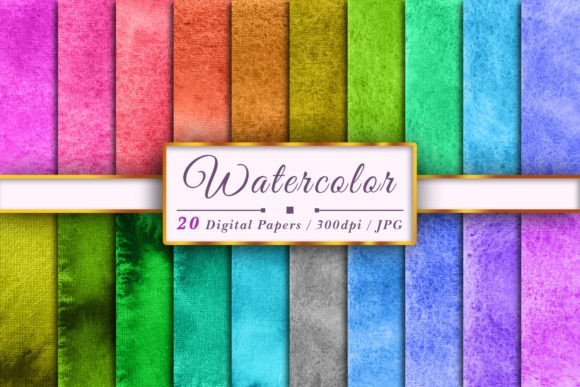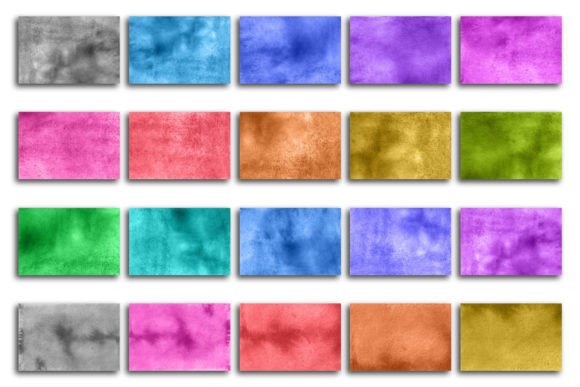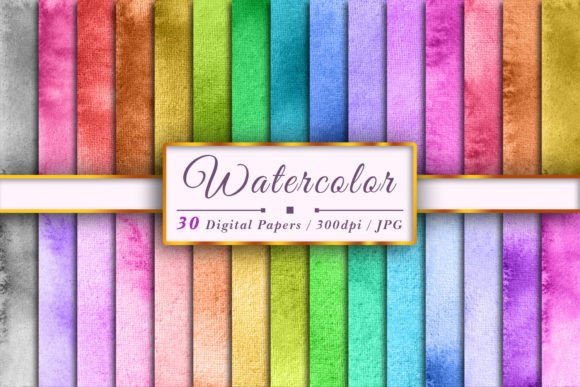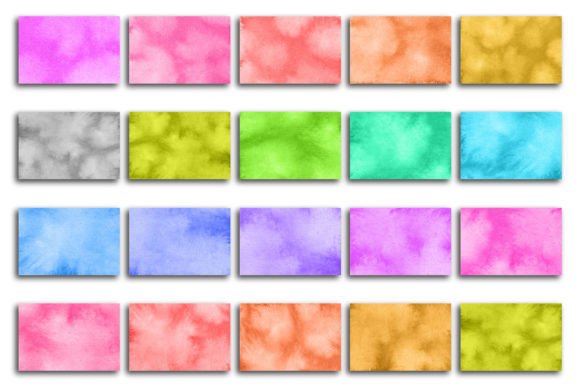
Watercolor Texture Sublimation Set 443 Review
First Impressions: Evaluating the Aesthetic for Stitch Work
As a designer who spends more time at the embroidery machine than at a computer screen, I approach every new machine embroidery design with a healthy dose of skepticism. When I first opened Watercolor Texture Sublimation Set 443, my immediate concern was translation. Watercolor is fluid, unpredictable, and soft, while embroidery is structured, dense, and tactile. However, this set surprised me. Unlike many digital assets that look beautiful on a monitor but turn into bulletproof vests when stitched out, these backgrounds possess an organic flow that respects the limitations of thread.
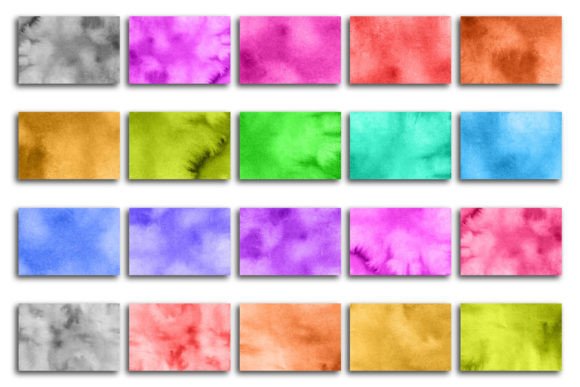
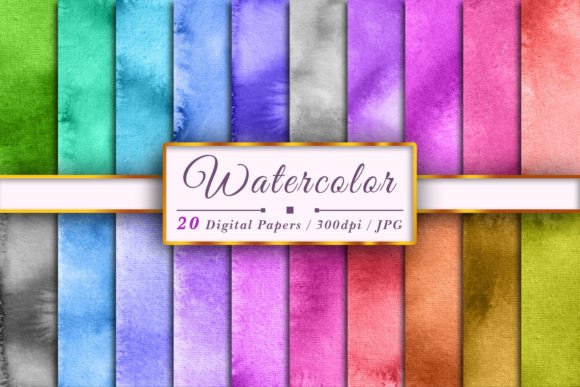
The visual personality of this collection leans heavily into modern bohemian and soft vintage aesthetics. The gradients are not harsh banding lines but rather gentle transitions that mimic the bleed of dye on wet paper. For those of us creating handmade products, this is crucial. It avoids the "cheap clipart" look that can devalue a premium item. The layout provides ample negative space, which is exactly what an embroiderer needs. We aren't fighting against a busy background; we are using it as a canvas to elevate our central motifs without overwhelming the viewer.
Real-World Application: The Custom Tote Bag Test
To truly judge the viability of Watercolor Texture Sublimation Set 443, I decided to bypass the standard test square and go straight to a client project. I was tasked with creating a series of bridal party tote bag designs that needed to feel romantic yet durable enough for a beach weekend. The bride wanted something unique, moving away from the standard solid vinyl or plain fabric looks.
I selected a soft peach watercolor wash from the set as the base. My plan was to use this sublimation background to create depth, then stitch a delicate floral monogram on top using a light cream thread. In practice, the result was stunning. The watercolor texture provided a warmth that flat fabric simply cannot achieve. Because the background was sublimated rather than stitched, the tote remained lightweight and pliable. If I had attempted to replicate that watercolor effect entirely with fill stitch patterns, the bag would have been stiff, heavy, and prone to puckering.
This hybrid approach—using Watercolor Texture Sublimation Set 443 as the foundation and adding minimal embroidery for personalization—is a game-changer for Etsy sellers and small shop owners. It drastically reduces stitch time and thread consumption while increasing the perceived value of the finished product. Customers reacted positively to the professional finish, noting that it looked like high-end boutique merchandise rather than a craft fair afterthought. This specific application proved that these backgrounds are not just decorative filler; they are strategic tools for efficient production.
Fabric Compatibility and Technical Considerations
While the aesthetic is versatile, technical execution requires mindfulness. As with any embroidery project, your substrate dictates your success. Watercolor Texture Sublimation Set 443 performs best on polyester-coated substrates or poly-blend fabrics designed for dye sublimation. Attempting this on 100% cotton without a coating spray will result in washed-out, muddy colors that lack the vibrancy seen in the digital embroidery file preview.
When combining this background with traditional stitching, pay close attention to stitch density. Since the background adds zero physical thickness to the fabric, you have more freedom with your top design. However, if you are working on stretchy fabrics like performance tees or lightweight knits, stabilization is non-negotiable. The heat required for sublimation can sometimes distort stretchy fibers before you even hoop them. I recommend testing on scrap fabric first to dial in your heat press temperature and time. You want vibrant color transfer without scorching or glazing the fabric surface.
For darker fabrics, exercise caution. Watercolor textures rely on transparency and light. These designs are inherently light-based; they will disappear or look muddy on black or navy garments unless you are using white-base sublimation paper and specific dark-fabric workflows. For most users, sticking to white, cream, or pastel bases will yield the most professional results for custom apparel and baby embroidery items.
Strategic Use Cases for Creative Entrepreneurs
Beyond tote bags, I see immense potential for this set across various categories. For nursery decor and baby items, the soft edges of the watercolor texture are perfect. Sharp, high-contrast graphics can sometimes feel too stimulating or harsh for infant wear, whereas these washes provide a soothing backdrop for names or birth stats. Similarly, for holiday embroidery, these textures can replace traditional red-and-green solids with something more contemporary and heirloom-quality.
If you sell design assets or offer print-on-demand services, these backgrounds serve as excellent mockup layers. Placing a digitized logo over a Watercolor Texture Sublimation Set 443 background in a printable mockup helps clients visualize the final texture and mood better than a flat white background ever could. It bridges the gap between digital concept and tangible reality.
However, know where to draw the line. Avoid using these intricate textures in areas destined for tiny lettering or micro-details. The visual noise of the watercolor grain can reduce legibility at small sizes. Keep text bold and simple, letting the background do the heavy lifting for atmosphere. Also, consider washability. While sublimation is generally permanent, the combination of heat-set dye and embroidery threads means you should always include care instructions with your personalized gift or retail item to ensure longevity.
Designer Notes for Professional Results
Before you load Watercolor Texture Sublimation Set 443 into your workflow, run through this practical checklist to protect your reputation and your materials:
- Verify Licensing: Always confirm whether your purchase includes commercial rights for selling finished goods or if it is limited to personal use. Never assume.
- Contrast Check: View your chosen thread colors against the watercolor background in grayscale. If the values are too similar, your embroidery will vanish regardless of how bright the colors appear on screen.
- Hoop Size Confirmation: Ensure your intended placement area fits within your machine’s maximum field. Resizing sublimation prints is easy; resizing complex embroidery after hooping is not.
- Stabilizer Selection: Match your stabilizer to the final use. A tear-away might suffice for a wall hanging, but a cut-away or no-show mesh is essential for wearable sweatshirt embroidery to prevent distortion against the printed background.
- Test Stitch-Out: Even if you are only stitching a border or a name over the print, test on the exact same fabric batch. Dye lots vary, and ink absorption can change how the needle penetrates the fiber.
- File Format Integrity: Ensure you are using the correct embroidery file format for your specific machine brand to avoid jump stitch errors or missing color stops.
Watercolor Texture Sublimation Set 443 represents a smart intersection of digital art and textile craft. It solves the common problem of wanting complex artistic backgrounds without the prohibitive stitch counts. By treating it as a collaborative element rather than just a decoration, makers can produce work that feels both artisanal and professionally refined. Whether you are refreshing your craft business inventory or tackling a sentimental commission, this set offers a reliable foundation for beautiful, mixed-media creation.