Watercolor Crab 12: A Designer’s Honest Take on Real-World Embroidery Use
First Impressions: A Lively, Laid-Back Design
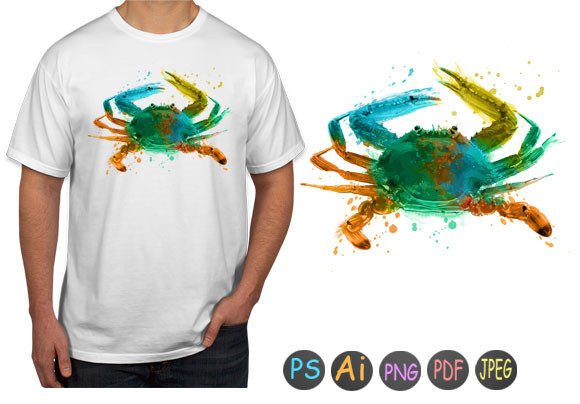
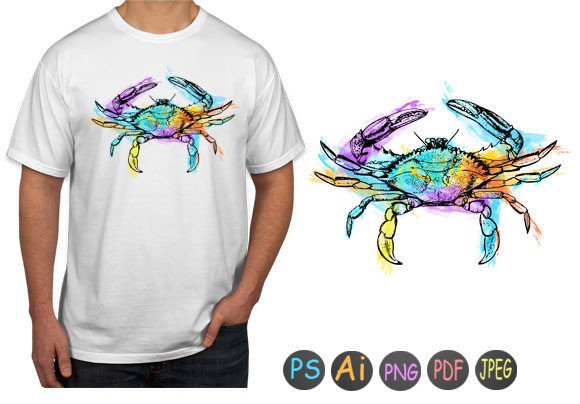
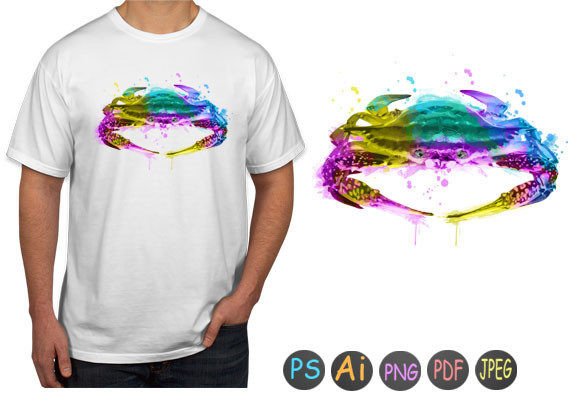
When I first opened the Watercolor Crab 12 embroidery file, I was struck by how it immediately brings a playful, coastal charm to mind. The watercolor effect gives it a soft, artistic vibe while still maintaining clear lines and recognizable detail. It's not overly technical or stiff — this feels like a design meant to be enjoyed, not just admired. The crab itself is stylized but still reads as a crab, which is key for recognizable embroidery motifs. The layout is balanced and well-suited for center placement on most items.
Perfect For: Casual Coastal Crafts and Custom Apparel
I immediately thought of a few real-life uses — like a custom embroidered tote bag for a boutique shop or a personalized sweatshirt for a beach-themed gift line. The Watercolor Crab 12 design would also work beautifully on baby clothes, especially summer outfits or nursery decor. It’s got enough character to stand out on a tea towel or pillow cover, and its soft edges make it feel approachable rather than overly graphic. For Etsy sellers, this could easily become a seasonal bestseller in spring or summer months.
How It Performs in Real Embroidery Projects
Testing this design on a few sample fabrics gave me a better idea of how it would behave in actual use. On a medium-weight cotton tote, the stitch coverage was even, and the watercolor texture translated well without looking muddy. The satin and fill stitches worked together smoothly, with no puckering or distortion. I tried it on a stretchy cotton-blend sweatshirt fabric, and with a light tear-away stabilizer, the design held its shape nicely.
For baby items, I’d suggest using a soft underlay or a lightweight stabilizer to prevent any scratchiness against sensitive skin. On caps or curved surfaces, I noticed that the design’s central focus helps it adapt better than more intricate or detailed motifs. It doesn’t have tiny lettering or overly fine lines, so it scales down well without losing clarity — a big plus when considering hoop size limitations.
Where to Be Careful With Watercolor Crab 12
This design isn’t perfect for every scenario. On dark fabrics, the thread colors may need to be adjusted to maintain contrast and visibility. I tried a black background and found that the lighter crab outline still popped, but if your thread choices are limited, you may need to test first. Also, on textured or loosely woven fabrics like burlap or linen, the watercolor effect might get lost or look inconsistent.
If you're planning to use Watercolor Crab 12 on a curved surface like a cap or a small hoop size (like 4x4), I recommend checking the file’s stitch density and ensuring the hoop size is sufficient. Dense areas — especially around the crab’s eyes and claws — could bunch up on stretchy or thin materials if not stabilized properly.
Design Impact: From Visual Appeal to Customer Response
In my experience, designs that feel artistic yet accessible tend to resonate well with customers. Watercolor Crab 12 walks that line beautifully. It’s not too busy, but still has enough visual interest to draw attention. When I stitched it onto a neutral tote bag, the effect was instantly eye-catching — like a little piece of coastal art stitched into fabric. For boutique owners or Etsy sellers, this kind of design adds value to a product without overwhelming the base item.
From a branding standpoint, Watercolor Crab 12 could work well as part of a larger coastal or nature-themed product line. It’s versatile enough to be used across multiple items — from embroidered patches to holiday gifts — and maintains a consistent aesthetic. If you're building a collection of embroidered items, this design can serve as a unifying visual thread.
Practical Notes for Embroidery Designers
Before stitching Watercolor Crab 12 into a client project or handmade product, here are a few steps I always take:
- Test on scrap fabric: Especially if you’re using a new or unfamiliar material.
- Check thread color contrast: Especially on dark or light backgrounds.
- Review stitch density: Make sure it’s appropriate for your fabric type.
- Confirm hoop size: Don’t assume the design will fit your machine without checking.
- Inspect small details: Like the crab’s eyes or claw texture — they can get lost on small hoop sizes.
- Test in black and white mockups: Helps you see how the design translates without color.
- Use proper stabilizer: Especially on stretchy or delicate fabrics.
- Confirm licensing: If you're selling finished items or digital embroidery files.
Final Thoughts: A Versatile Design for Real Projects
Watercolor Crab 12 isn’t just another embroidery file — it’s a design that feels ready to use, whether you're making custom apparel, personalized gifts, or small shop merchandise. It’s balanced, adaptable, and has a friendly personality that translates well across different products. As a designer, I appreciate that it doesn’t try to do too much — it knows what it is and does it well.
For small business owners and crafters, this is the kind of embroidery design that can elevate your product without complicating your process. Whether you're embroidering a patch for a summer tote or a gift sweatshirt for a coastal-themed boutique, Watercolor Crab 12 is worth considering. Just remember to test, adjust, and confirm before committing to your final piece — and enjoy the process of bringing this charming design to life.