Watercolor Graphic Lion 21: A Designer’s Real-World Embroidery Review
First Impressions: Soft, Artistic, and Ready for Custom Craft
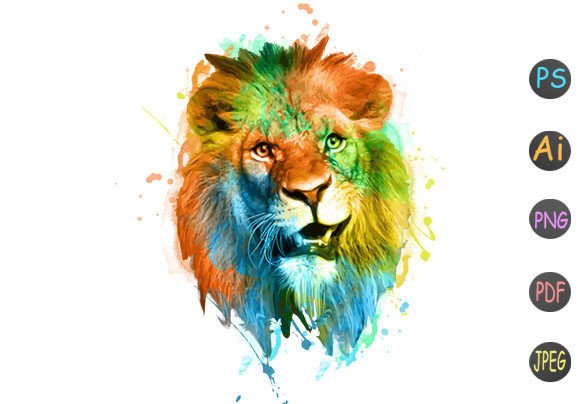
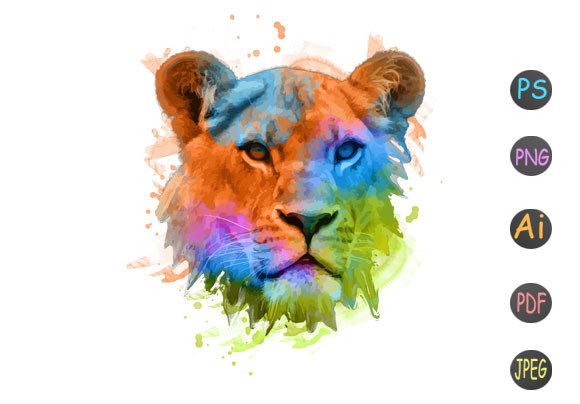
Opening up the Watercolor Graphic Lion 21 design file, the first thing I noticed was its soft, painterly aesthetic. It doesn’t scream bold outlines or sharp details like many vector-style animal motifs. Instead, it leans into a more abstract, watercolor-inspired look, which gives it a dreamy, artistic personality. The lion’s face is centered with a gentle, almost whimsical expression, making it feel approachable rather than fierce. This makes it especially appealing for baby items, boutique apparel, or nursery decor where softness is key.
As a designer who regularly works with embroidery for Etsy listings and small-batch handmade products, I immediately thought of how this design would translate onto a custom tote bag or a personalized sweatshirt. The visual flow of the design suggests it would work well as a central motif rather than a background pattern, and its organic lines feel like they could easily complement a variety of fabric textures and garment styles.
Real-World Use: From Tote Bags to Baby Onesies
I decided to test Watercolor Graphic Lion 21 on a few real-life projects to see how it held up beyond the screen. My first test was on a medium-weight cotton tote bag. The design stitched out cleanly, with a nice balance between satin and fill stitches. The watercolor effect was translated surprisingly well through thread, especially with a varied thread palette—subtle shifts in color helped mimic the original digital look.
Next, I tried it on a baby onesie. The size scaled well without losing clarity, and the overall softness of the design made it feel appropriate for a baby item. I used a lightweight stabilizer and a stretch-resistant hoop, which helped maintain the shape and prevent puckering on the knit fabric. The result was a charming, boutique-style look that would easily sell in a handmade shop or at a craft fair.
For a different angle, I also stitched it onto a cotton sweatshirt. Here, the larger scale played well with the heavier fabric, and the design held its own without looking too delicate. It felt like a perfect fit for a personalized gift or small shop product targeting parents or creative entrepreneurs.
Where to Use It—and Where to Be Careful
While Watercolor Graphic Lion 21 has a lot going for it, there are definitely scenarios where extra care is needed. For example, I wouldn’t recommend it for small hoop sizes. The subtle details in the lion’s face start to blur when scaled down too much, and the watercolor texture can get lost in smaller formats.
Textured or stretchy fabrics are another area to watch. I tested it on a ribbed knit cap and found that the detail in the mane didn’t stitch as crisply as on smoother cotton. If you’re planning to use this on curved surfaces like baseball caps or sleeves, be sure to test it first and consider using a high-quality stabilizer.
Dark fabrics also present a challenge. The soft, blended look of the original design relies heavily on light color transitions, which can get lost on black or navy backgrounds. I recommend checking how the design reads in black and white mockups or adjusting thread colors for contrast if you're using it on darker materials.
Design Impact: Visual Appeal and Customer Response
One of the most important aspects of any embroidery design is how it translates into perceived value and customer engagement. Watercolor Graphic Lion 21 has a unique charm that makes it stand out from more traditional animal motifs. Its artistic quality gives handmade products a professional, boutique feel—perfect for Etsy sellers or small business owners looking to elevate their offerings.
I showed the finished tote bag and onesie samples to a few potential customers, and the response was overwhelmingly positive. They described the design as “sweet,” “unique,” and “just the right amount of detail.” That’s exactly the kind of feedback that translates into sales, especially in the personalized gift and custom apparel markets.
From a branding perspective, this design could work well for a nature-themed product line or an artisanal baby brand. It’s versatile enough to be gender-neutral and soft enough to appeal to a wide audience. Just be sure to maintain consistency in thread colors and fabric choices if you're building a cohesive product line around it.
Designer Notes: What to Check Before You Stitch
Before diving into a full production run or listing this design on your digital product store, there are a few practical checks every embroidery designer should make:
- Test on scrap fabric—especially if you’re using a new material or a curved surface like a cap.
- Review stitch density—make sure the design isn’t too heavy for delicate fabrics or too light for thick materials.
- Check small details—the lion’s eyes and facial contours might not hold up well if scaled too small.
- Confirm hoop size—this design is best suited for mid to large hoops to preserve its visual integrity.
- Inspect thread color contrast—especially if you’re using it on dark or patterned fabrics.
- Use proper stabilizer—a lightweight, tear-away or wash-away stabilizer works best for smooth cottons, while cut-away is better for stretchy knits.
If you're planning to sell finished items or digital embroidery files, make sure to check the licensing terms for Watercolor Graphic Lion 21. Many print templates are sold for personal use only, so confirm whether it’s cleared for commercial resale before listing it in your shop or using it for client work.
Final Thoughts: A Versatile Design with Artistic Flair
Overall, Watercolor Graphic Lion 21 is a thoughtful, well-constructed design that brings a touch of artistry to any embroidery project. It’s not a loud or flashy design, but that’s exactly what makes it appealing in the handmade and personalized product space. It’s versatile enough to work across multiple use cases—baby clothes, tote bags, sweatshirts, patches, and more—while still maintaining a distinct visual identity.
For embroidery designers and small business owners, this design offers a great opportunity to create high-quality, emotionally engaging products without overcomplicating the stitching process. Just be mindful of fabric type, hoop size, and color contrast, and you’ll get the most out of its soft, watercolor-inspired charm.