Watercolor Graphic Lion 27: A Designer’s Review
As an embroidery professional who has digitized and stitched countless animal motifs, I approach every new machine embroidery design with a healthy dose of skepticism. We have all downloaded files that look stunning on screen but turn into thread nests or muddy blobs once the needle hits the fabric. When evaluating Watercolor Graphic Lion 27, my primary focus was not just its artistic merit as a digital asset, but its structural integrity as a stitch file intended for real-world production. This review breaks down how this specific lion graphic performs when translated from pixels to thread, specifically for makers running small businesses or creating high-stakes personalized gifts.
First Impressions and Artistic Translation
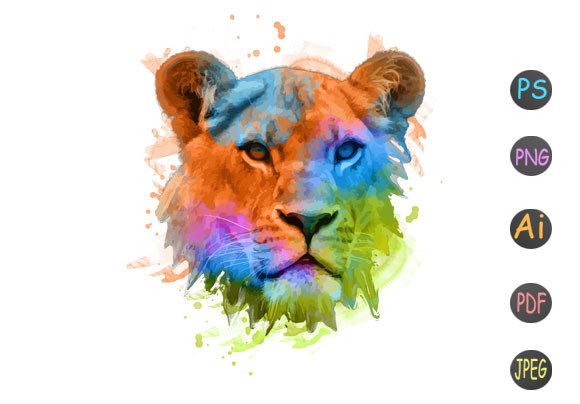
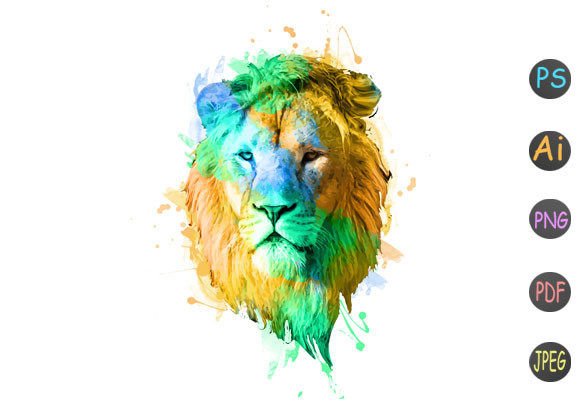
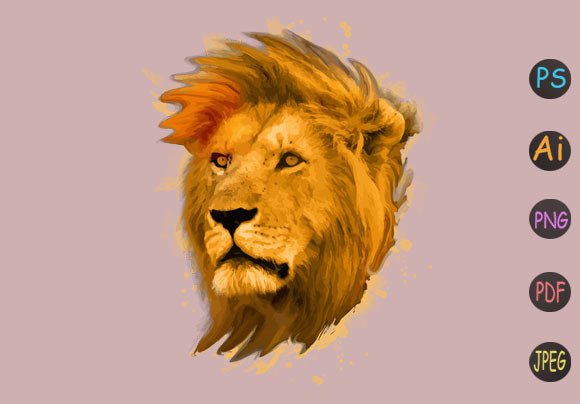
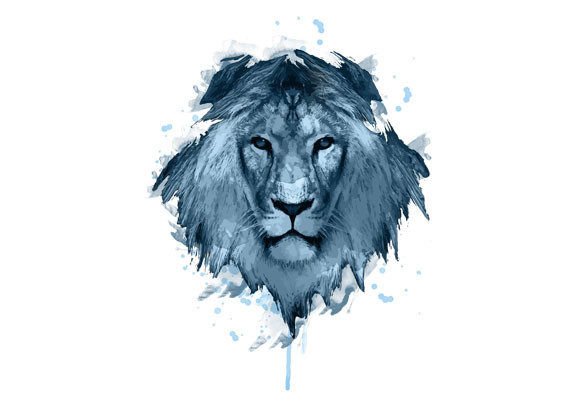
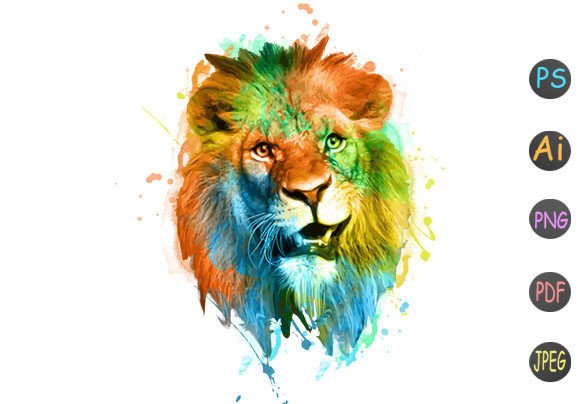
The initial visual impact of Watercolor Graphic Lion 27 is undeniably strong. It captures a soft, painterly aesthetic that is currently trending in the handmade product market. Unlike rigid, cartoonish vector lions, this design relies on gradient shading and organic edges to mimic watercolor washes. For an embroiderer, this immediately signals complexity. Achieving a watercolor effect in thread requires sophisticated layering of fill stitch patterns and careful color blending.
From a layout perspective, the lion’s profile is balanced. The mane provides ample space for color variation without becoming overly dense, which is a common pitfall in animal designs. However, because this is categorized under Print Templates, users must verify if they are receiving a pure stitch file or a hybrid print-and-stitch asset. If it is a standard embroidery file, the digitizer has likely used varying stitch lengths and angles to create depth. My first impression suggests this design leans toward a modern, boutique aesthetic rather than traditional craft, making it ideal for higher-end merchandise where customers expect a refined finish.
Real-World Application: The Custom Sweatshirt Test
To truly judge the viability of Watercolor Graphic Lion 27, I mentally placed it in one of the most demanding scenarios for my shop: a custom unisex sweatshirt for a fall collection. Sweatshirts are tricky; the fleece backing creates loft, and the knit face can distort under heavy stitching.
In this scenario, the lion serves as a centerpiece chest placement. The success of this project hinges on how the design handles the fabric's texture. A watercolor style typically uses lighter density fills to allow background blending, but on fleece, low density can result in gaps where the fabric shows through unintentionally. When using this design for sweatshirt embroidery, I would recommend testing the opacity first. You may need to add a lightweight cutaway stabilizer underneath and potentially a topping to prevent the stitches from sinking into the pile. If the design holds its shape without puckering the knit, it becomes a high-value item for Etsy seller listings. Customers perceive multi-colored, shaded embroidery as premium work, allowing you to price these garments higher than simple outline designs.
Navigating Fabric Limitations and Hoop Constraints
While Watercolor Graphic Lion 27 shines on stable knits and woven cottons like canvas tote bag design projects, it requires caution elsewhere. The "watercolor" nature implies delicate transitions that can be lost on highly textured fabrics like terry cloth or burlap. On those surfaces, the subtle color shifts will disappear, leaving what looks like a flat, blocky animal.
I also advise extreme care when sizing this design down. Detailed graphics often suffer when reduced below 60% of their original size. The satin stitch elements defining the lion’s facial features and whiskers may merge or cause needle breaks if scaled too small for a baby onesie or cap. Always check the minimum recommended hoop size before committing to a project. Conversely, stretching this design to fill a large hoop for a pillow cover requires verifying that the stitch density remains consistent. Enlarging a design without re-digitizing can lead to sparse coverage that looks cheap and unfinished. For baby embroidery specifically, ensure the back of the design is smooth; complex watercolor fills can sometimes leave rough jump stitch paths that irritate sensitive skin unless properly trimmed or covered with a fusible backing.
Commercial Viability and Brand Consistency
For creative entrepreneurs and craft business owners, consistency is currency. Watercolor Graphic Lion 27 offers a distinct mood that can anchor a themed collection. It pairs exceptionally well with botanical elements, serif typography, and muted earth tones. If your brand identity revolves around nursery decor, woodland themes, or gentle masculinity, this lion fits seamlessly.
However, professionalism extends beyond aesthetics. Before listing any finished product featuring this design, confirm your licensing terms. Some Print Templates or digital assets are restricted to personal use or limited commercial runs. Nothing damages buyer trust or shop reputation faster than copyright infringement. Additionally, consider how this design translates to marketing materials. Because of its artistic quality, it works beautifully in a printable mockup for social media previews, even before you stitch a sample. This allows you to gauge customer interest and take pre-orders, validating the design's market fit before investing hours in production sampling.
Essential Technical Notes for Makers
Based on my evaluation of similar watercolor-style graphics, here are practical steps to ensure Watercolor Graphic Lion 27 succeeds in your studio:
- Test Stitch First: Never run this design directly on a final garment without a test sew-out on similar scrap fabric. Check specifically for registration issues between color layers.
- Thread Color Verification: Watercolor effects rely on precise color matching. Compare the designer’s thread chart against your own inventory. Substitutions can alter the mood from "soft vintage" to "muddy mess." Consider using variegated threads if the design supports them to enhance the painted look.
- Stabilizer Strategy: For stretchy apparel, use a no-show mesh cutaway. For tote bags or towels, a medium-weight tear-away or wash-away might suffice depending on the density. Always prioritize stability over ease of removal.
- Inspect Small Details: Zoom in on the file in your editing software. Look for tiny satin columns or isolated running stitches that might break. If found, edit them out or reinforce them before stitching.
- Mockup Testing: Create black and white versions of your product photos. If the lion loses its definition without color, the contrast values in the digitizing may need adjustment for darker fabrics.
- Licensing Check: Explicitly verify if the license covers both physical sales and digital previews. Document this permission for your records.
Final Verdict for Production Use
Watercolor Graphic Lion 27 represents a sophisticated option for embroiderers ready to move beyond basic clip art. Its strength lies in its emotional resonance and trend alignment, making it a powerful asset for personalized gift creators and boutique owners. However, its technical demands require respect. It is not a "set it and forget it" file for beginners; it rewards patience, proper stabilization, and thoughtful fabric selection.
When executed correctly, this design elevates the perceived value of your work, signaling to customers that you offer unique, artistically driven products rather than generic mass-market items. Whether you are stitching a holiday keepsake, a branded shop item, or a custom nursery blanket, treating Watercolor Graphic Lion 27 with technical precision will yield results that justify both the investment and the effort. Always remember that in machine embroidery, the digital file is only half the equation; your expertise in material handling brings the lion to life.